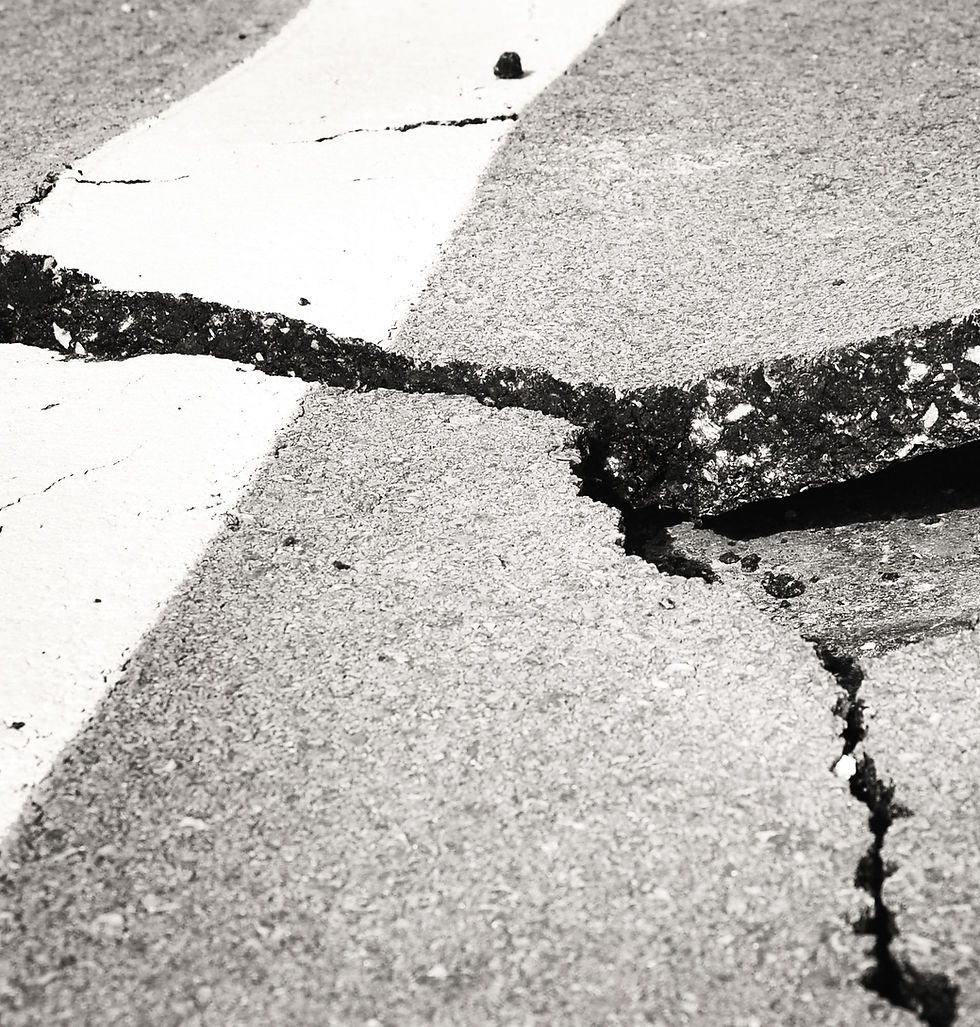
Does Public Liability Cover Cracked Concrete? What Brisbane Concreters Need to Know


Every concreter in Brisbane eventually gets the call. A client sends photos of a crack running across the driveway you poured last year and asks what you’re going to do about it.
Most concreters assume their public liability policy will sort it out. In most cases, it won’t. Understanding why, and what your policy actually does pay for, can save you a lot of money and a lot of stress.
Why Do Brisbane Concreters Need Insurance?
Every day, concreters face risks that could result in costly claims.
Whether you're operating as a sole trader, subcontractor or larger concreting company, your work often involves:
Excavations and site preparation
Heavy equipment and machinery
Wet concrete and pumping equipment
Multiple contractors working on-site
Public access areas
Expensive tools and vehicles
A simple mistake or unexpected event could lead to:
Damage to a client's property
Injury to a member of the public
Theft of tools and equipment
Vehicle accidents
Employee injuries
Damage to works before completion
Without appropriate insurance, your business may be responsible for covering these costs itself.
Insurance provides an important financial safety net, allowing you to focus on completing projects with confidence.
The Short Answer
Public liability insurance is designed to cover damage you cause to other people’s property and injuries to other people. It is generally not designed to pay for fixing your own work.
Almost every public liability policy in Australia contains what’s known as a faulty workmanship exclusion. In plain terms, if your slab, driveway or path is defective, the policy won’t pay to break it out and re-pour it. That cost sits with you.
Where public liability can respond is the resultant damage. That’s the damage your defective work causes to something else.

Rectification vs Resultant Damage
This distinction is where most concreting claims are won or lost.
Rectification costs (usually not covered)
Cutting out and replacing a cracked driveway
Re-pouring a slab that’s out of level
Grinding or resurfacing a poor finish
Fixing incorrect falls on a patio or path
Resultant damage (may be covered, subject to your policy wording)
Water ingress damaging a home’s flooring, plasterboard or cabinetry because of incorrect falls
A neighbour’s fence or retaining wall damaged by your work
Overspray or concrete splatter on a client’s car, windows or render
Someone tripping on a lip or edge you left and injuring themselves
Some insurers offer a limited faulty workmanship extension, but these vary widely. Many only clarify that resultant damage is covered rather than paying for the work itself. Always check the wording rather than the policy name.
Why Brisbane Concrete Cracks (and Why It Matters for Claims)
Large parts of Brisbane, Ipswich and Logan sit on reactive clay soils that swell when wet and shrink when dry. After a long dry spell followed by a heavy storm season, slab movement and cracking become common.
That matters because not every crack is a defect. Hairline shrinkage cracks are often a normal characteristic of concrete. Structural cracking from poor base preparation, missing control joints or inadequate reinforcement is a different story.
When a client complains, the cause of the crack usually determines who pays. Good records make a huge difference here.

Four Brisbane Claim Scenarios
1. The cracked driveway in Carindale Eight months after completion, a homeowner reports a crack across their new exposed aggregate driveway. An engineer finds the control joints were spaced too far apart.
Outcome: Public liability won’t pay to replace the driveway. This is a rectification cost and falls on the concreter.
2. The patio that sent water inside in Springfield Lakes A concreter pours an alfresco slab with the fall running toward the house. During the first big storm, water tracks under the sliding door and ruins timber flooring and skirting.
Outcome: Fixing the slab falls is excluded. The damage to flooring, skirting and plasterboard may be covered as resultant property damage under public liability.
3. Overspray in Paddington While pumping and placing a suspended slab, concrete splatters across a neighbour’s car and freshly painted render.
Outcome: A straightforward public liability claim for third-party property damage.
4. The washed-out pour in Redbank Plains A house slab is poured on Friday. An afternoon storm hits before curing and washes out the surface finish. The job hasn’t been handed over.
Outcome: Public liability won’t help here because it’s damage to the works themselves. This is where [Contract Works Insurance] responds, covering the project during construction until handover.
Where QBCC and Home Warranty Fit In
In Queensland, residential concreting work above the QBCC licensing threshold generally requires a QBCC licence, and eligible residential work attracts Queensland Home Warranty Scheme cover.
If a homeowner lodges a defective work complaint, QBCC can direct you to rectify the work. If you don’t, and the homeowner is paid out under the Home Warranty Scheme, QBCC may seek to recover that money from you.
Your public liability policy does not replace any of this. Home warranty protects the homeowner, not you. Check QBCC’s current thresholds and defect periods directly, as these can change.
Other Covers That Close the Gaps
Public liability is essential, but it’s only one part of a concreter’s protection. Depending on your work, you may also need:
Contract Works Insurance for damage to the job before handover, including storms, vandalism and theft of materials
Professional Indemnity Insurance if you provide design advice, specify mixes or reinforcement, or sign off on engineering decisions
Tools and Equipment Insurance for screeds, power floats, saws and mixers
Commercial Motor Vehicle Insurance for your truck, ute or pump
The right combination depends on whether you’re doing residential driveways, commercial slabs or civil works. Our Concreter Insurance Brisbane page breaks down the full package.
How to Protect Yourself Before a Crack Becomes a Claim
Insurance is the safety net, but good practice keeps you out of disputes in the first place.
Photograph every stage. Base preparation, compaction, reinforcement, joint placement and the finished pour.
Document site conditions. Note soil type, weather on the day and any client instructions that went against your advice.
Put it in writing. Explain in your quote that hairline shrinkage cracking is normal and not a defect.
Follow the engineer’s specs exactly. Where you deviate at a client’s request, get it signed.
Read your policy wording. Know whether you have any faulty workmanship extension and what it actually says.
Notify your insurer early. If a complaint could involve damage beyond your own work, tell your broker straight away. Late notification can jeopardise a claim.

Talk to a Broker Who Knows Concreting
At Monarch Insurance Brokers, we help Brisbane and Southeast Queensland concreters understand exactly what their policy covers before they need to claim. If you’re unsure where the gaps in your cover sit, give us a call or read further on our Concreter Insurance Brisbane page.

This article contains general information only and does not take into account your objectives, financial situation or needs. Before making a decision about any insurance product, consider whether it’s appropriate for you and read the relevant Product Disclosure Statement and policy wording. Monarch Insurance Brokers (ABN 36 688 964 187) is an Authorised Representative of Morgan Insurance Brokers Pty Ltd, AFSL 700265.