
What Insurance Does a Brisbane Metal Fabrication Business Need?


Metal fabrication businesses in Brisbane, from structural steel fabricators and welders to sheet metal workers and CNC/laser cutting operators, face a distinct set of risks that a standard trade insurance policy often doesn't fully address. Hot works, expensive machinery, and products that end up in other people's builds or equipment all add layers of exposure that need to be properly covered.
Here's what to consider.
Key Covers for Metal Fabrication Businesses
Public and Products Liability
Public Liability covers third-party injury or property damage claims arising from your business activities, but for a metal fabrication business, products liability is just as important. Once a fabricated part or structure leaves your workshop and is installed elsewhere, you're relying on the quality of your workmanship to hold up. If a component fails and causes injury or damage after installation, a products liability claim can follow, sometimes well after the job is finished and paid for. This makes it essential to confirm your policy includes a products liability extension rather than public liability alone, particularly where your fabrications are used in structural, load bearing, or safety critical applications.
Industrial Special Risks (ISR) / Property Damage
ISR policies cover your workshop, machinery, and stock against fire, storm, and theft, and for many fabrication businesses this is one of the most important covers in the whole program given the value tied up in the workshop itself. Hot works such as welding, cutting, and grinding increase fire risk, so insurers will typically ask about fire safety procedures, housekeeping standards, and how combustible materials like offcuts and packaging are stored around active work areas when quoting this cover. It's also worth checking that sums insured on the building, machinery, and stock are kept up to date as the business grows, since underinsurance is a common issue when equipment is upgraded or additional stock is held without the policy being reviewed to match.

Machinery Breakdown
Machinery breakdown cover addresses repair or replacement costs when CNC machines, laser cutters, welders, and other plant suffer mechanical or electrical failure, whether that's from a component wearing out, a motor burning out, or an electrical fault. This is separate to fire or theft cover under an ISR policy, since breakdown claims relate to the machine failing on its own rather than being damaged by an external event. It's an important cover to get right in fabrication, given how expensive specialised equipment is to repair or replace, and how long replacement parts or entire machines can take to source, particularly for CNC and laser cutting equipment that's often imported or built to order.
Business Interruption
Business Interruption covers your business If a fire, storm, or machinery failure brings production to a halt, the cost isn't limited to repairing or replacing the damaged equipment. Business interruption cover addresses what happens in between, covering lost gross profit and ongoing fixed costs such as rent, wages, and loan repayments while the business gets back up and running.
This is a particularly important cover for fabrication businesses, since specialised machinery like CNC cutters or industrial welding equipment can take months to source, manufacture, and install, meaning a standard indemnity period may not be long enough to see the business through to full recovery.
Choosing the right indemnity period, and making sure it reflects realistic replacement timeframes for your specific machinery, is one of the most valuable conversations to have when setting up this cover.
Commercial Motor / Fleet
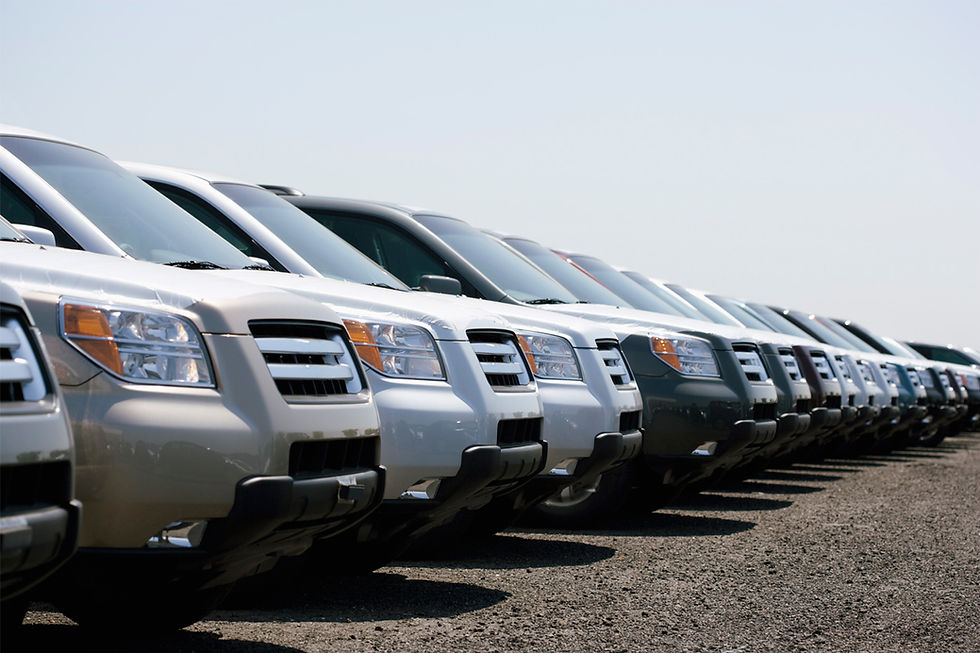
Metal fabrication businesses often rely on a mix of vehicles to keep jobs moving whether it's utes and trucks for transporting raw material and finished fabrications to site, trailers for oversized or heavy loads, and sometimes cranes or hiab-equipped vehicles for installation work.
Commercial motor cover needs to reflect this properly: sums insured should account for any trays, cranes, or hiabs fitted to the vehicle (not just the base vehicle value), and cover should extend to goods in transit so that a fabricated component damaged en route to a client's site is covered under the same claim, not left as a gap between your motor and property policies.
If your business also uses forklifts or other mobile plant to move material around the workshop or yard, these often need to be covered separately (either under a motor policy extension or a plant and equipment policy), since standard commercial motor cover generally only applies to registered, road-going vehicles.
Tools and Portable Equipment
Fabrication and installation work often means taking portable welding sets, grinders, cutting equipment, and hand tools off-site to job locations, which puts them at risk of theft or damage in a way that a workshop-based property policy won't cover.
Tools and portable equipment cover is designed to fill that gap, covering equipment while it's in transit, left on-site overnight, or stored in a vehicle between jobs. It's worth checking that sums insured reflect the current replacement cost of your kit, since welding equipment and power tools tend to be pricier to replace than owners realise, and that the policy accounts for tools stored in utes or trailers, which is often where theft claims arise.
Management Liability
As a fabrication business takes on more staff, its exposure to employment-related claims grows alongside it, things like unfair dismissal, discrimination, or workplace bullying allegations can arise even in well-run businesses, and defending them can be costly regardless of the outcome.
Management liability cover protects directors and officers against these employment practices claims, as well as statutory liability claims arising from breaches of legislation (such as WHS obligations), which is a particularly relevant exposure in an industry with higher physical workplace risk than most.
It's a cover that's easy to overlook while a business is small, but becomes increasingly important as headcount grows and the potential cost of an employment dispute grows with it.

Common Gaps We See
No products liability extension, despite fabricated components being installed in structural or safety-critical applications
Machinery sums insured not updated as new equipment is purchased or upgraded
Business interruption indemnity periods too short to realistically cover machinery replacement lead times
Hot works and fire safety procedures not properly disclosed to insurers, which can affect claims outcomes
A Real-World Example
A metal fabrication workshop in Salisbury was contracted to manufacture and install a set of steel support brackets for a mezzanine flooring structure at a client's warehouse. Several months after installation, one of the brackets failed under load, causing part of the mezzanine to collapse and damaging stock stored below.
The client lodged a products liability claim against the fabrication business, arguing the bracket had been manufactured to an inadequate specification for the load it was carrying. Because the failure occurred well after the job was completed and paid for, the business had no way of inspecting the bracket beforehand, and was reliant on its products liability cover to fund the investigation, legal costs, and eventual settlement.
Without that extension in place, a claim like this could have fallen outside a standard public liability policy altogether, leaving the business to cover the costs itself.
Talk to a Broker Who Understands Fabrication Risk
Metal fabrication insurance needs to reflect the specific processes, machinery, and end use of what you produce. We understand the risks and requirements of your day to day operations. Call Monarch Insurance Brokers on 1300 130 463 today or enquire here.

Founder & Director, Monarch Insurance Brokers
Tim Jones is the Founder and Director of Monarch Insurance Brokers, a Brisbane-based brokerage serving trade, construction, SME, and personal lines clients across Queensland. Holding Tier 1 and Tier 2 RG146 qualifications, Tim brings hands-on experience across commercial insurance broking, working directly with clients to structure policies around the specific risks of their industry and business.
Monarch Insurance Brokers is in the process of becoming an Authorised Representative. All insurance products and services referred to above are currently arranged through Morgan Insurance Brokers Pty Ltd, AFSL 70026

